Equitable Land Access
Connecting landless farmers to fertile fields on favorable terms.
I created Equitable Land Access at Feed Iowa First — designing the program and building the website that carried the farmers' stories.
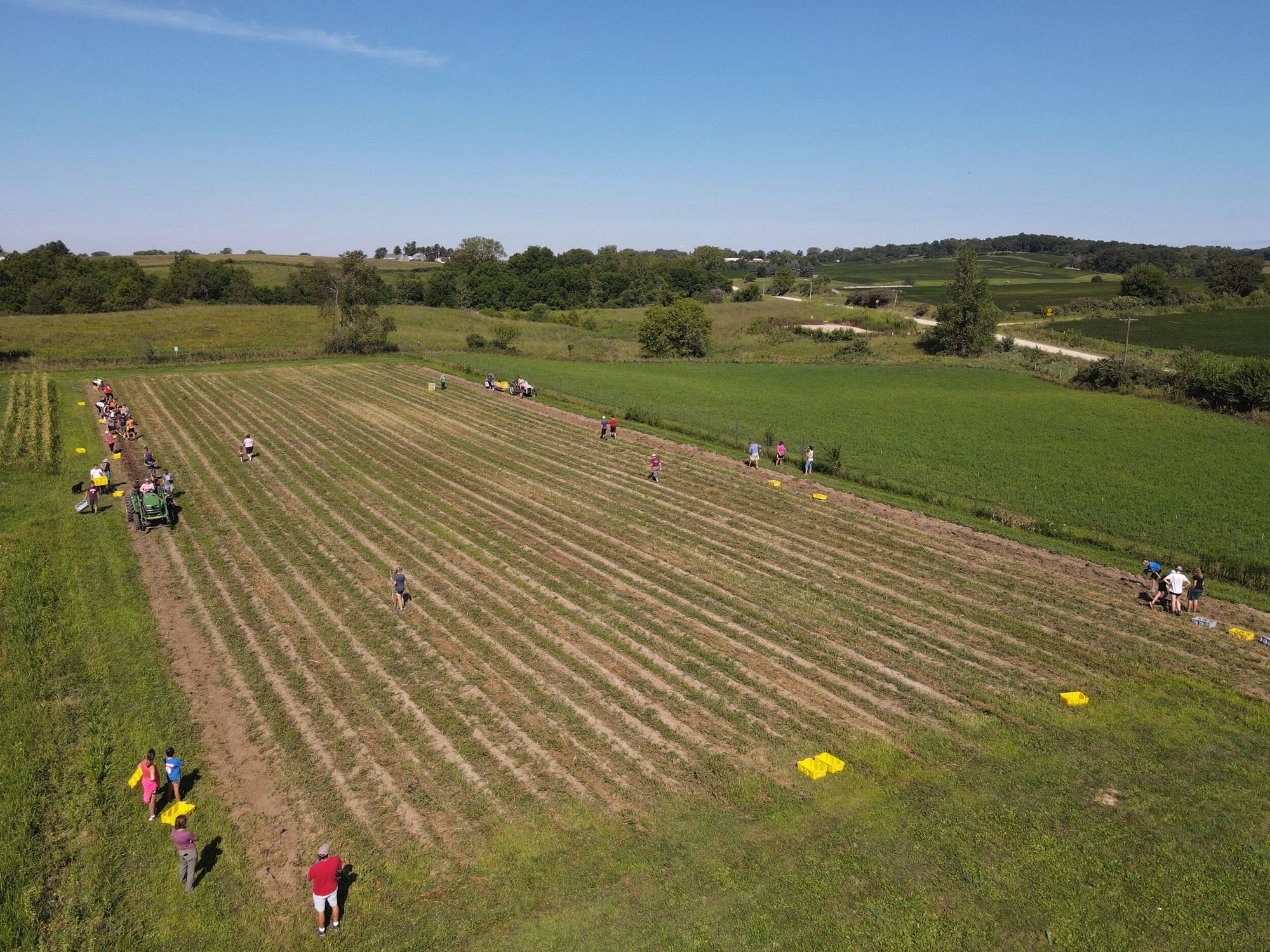
The purpose
Mutual benefit.
For many in our community, growing vegetables has been an integral part of life — knowledge passed down from generation to generation, the practice of tending crops carried across an ocean. The program lets that knowledge go back to work.
ELA allows individuals to farm for their family, their local community, and for profit. More land converted into chemical-free crops equates to more nutritionally-dense food grown and consumed within Linn County — a real benefit to the community's health, economy, and environment. All produce travels less than 25 miles from field to table.
Equal access to fresh, healthy produce is a basic human right.
The program
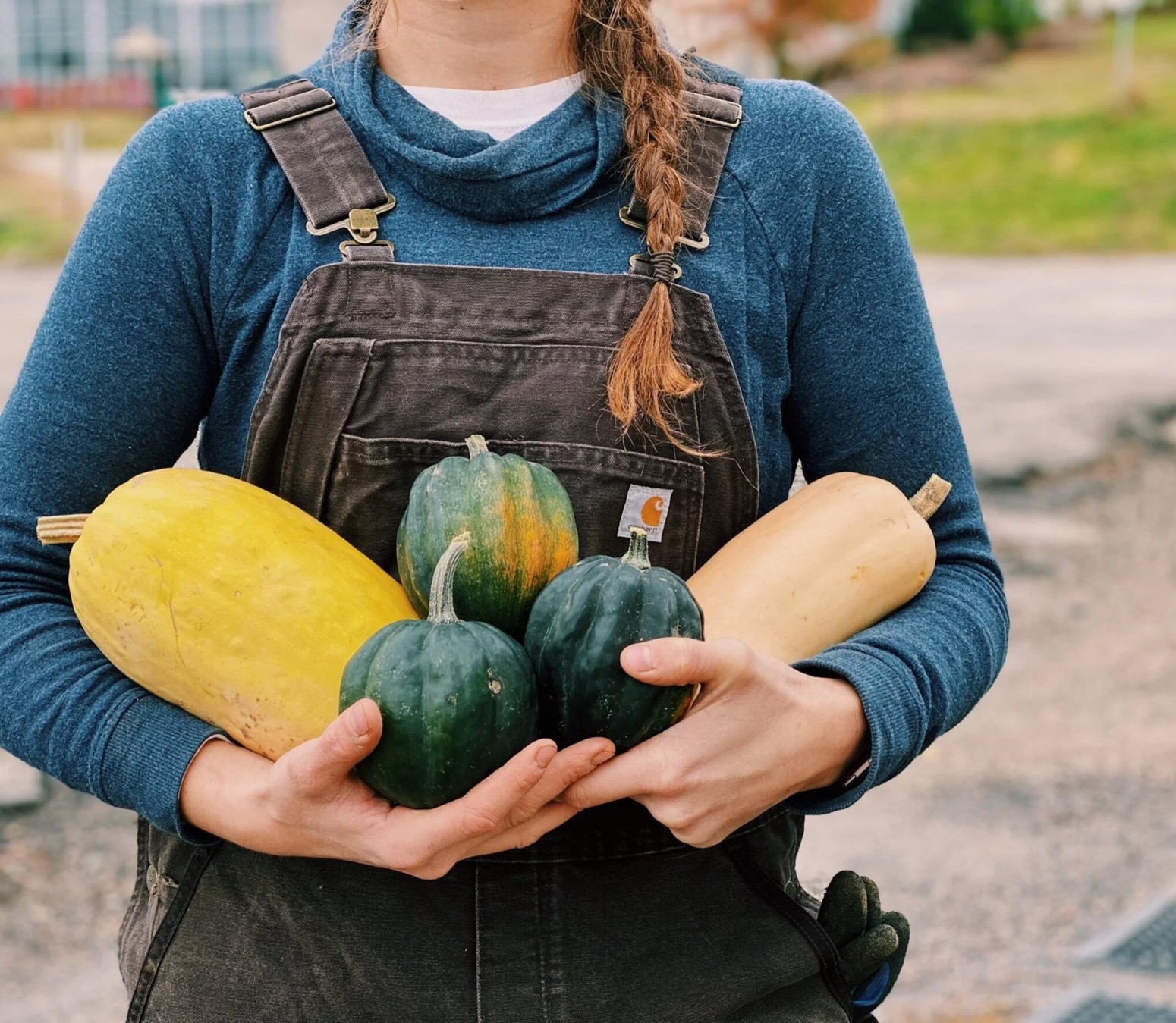
ELA connects landless individuals with a background in agriculture to fertile land in the area — while removing the barriers of entry that keep new farmers out: land, equipment, and start-up cost. Two tracks — a three-year business incubator (LLC formation, market development, food-safety certification) and flexible community plots on church and business grounds.
From a 3-acre farm at the Dows Farm to urban farm sites on the grounds of local churches and businesses — anchored by a 20-year land lease with Linn County Conservation.
Thanks to our friends at Frontier Co-op for the operational and infrastructure support that let the program stand up emerging multicultural farmers across Linn County.
Meet the farmers
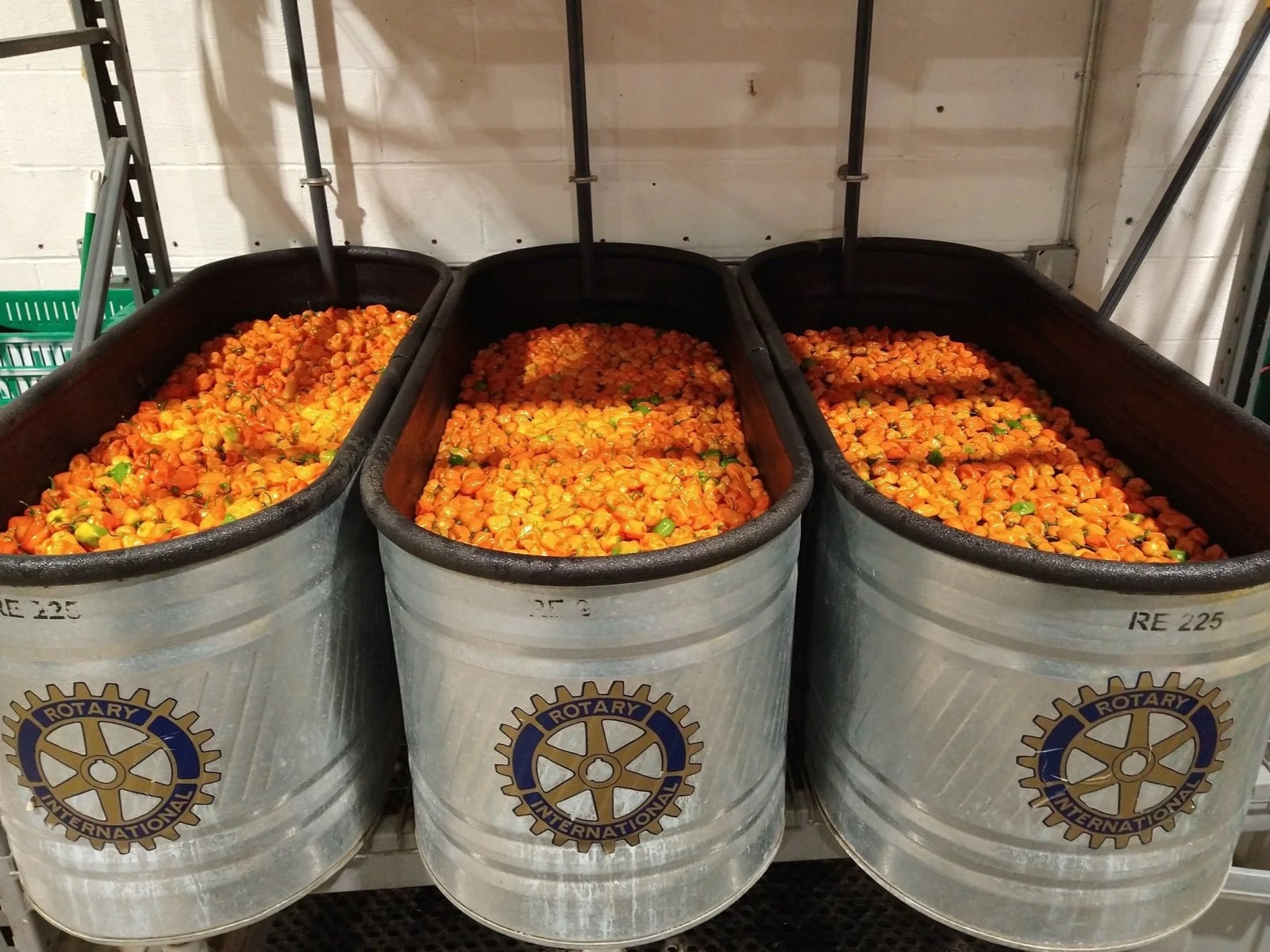
The program connects farmers with land and equipment. The stories are theirs, told on the program's original site.
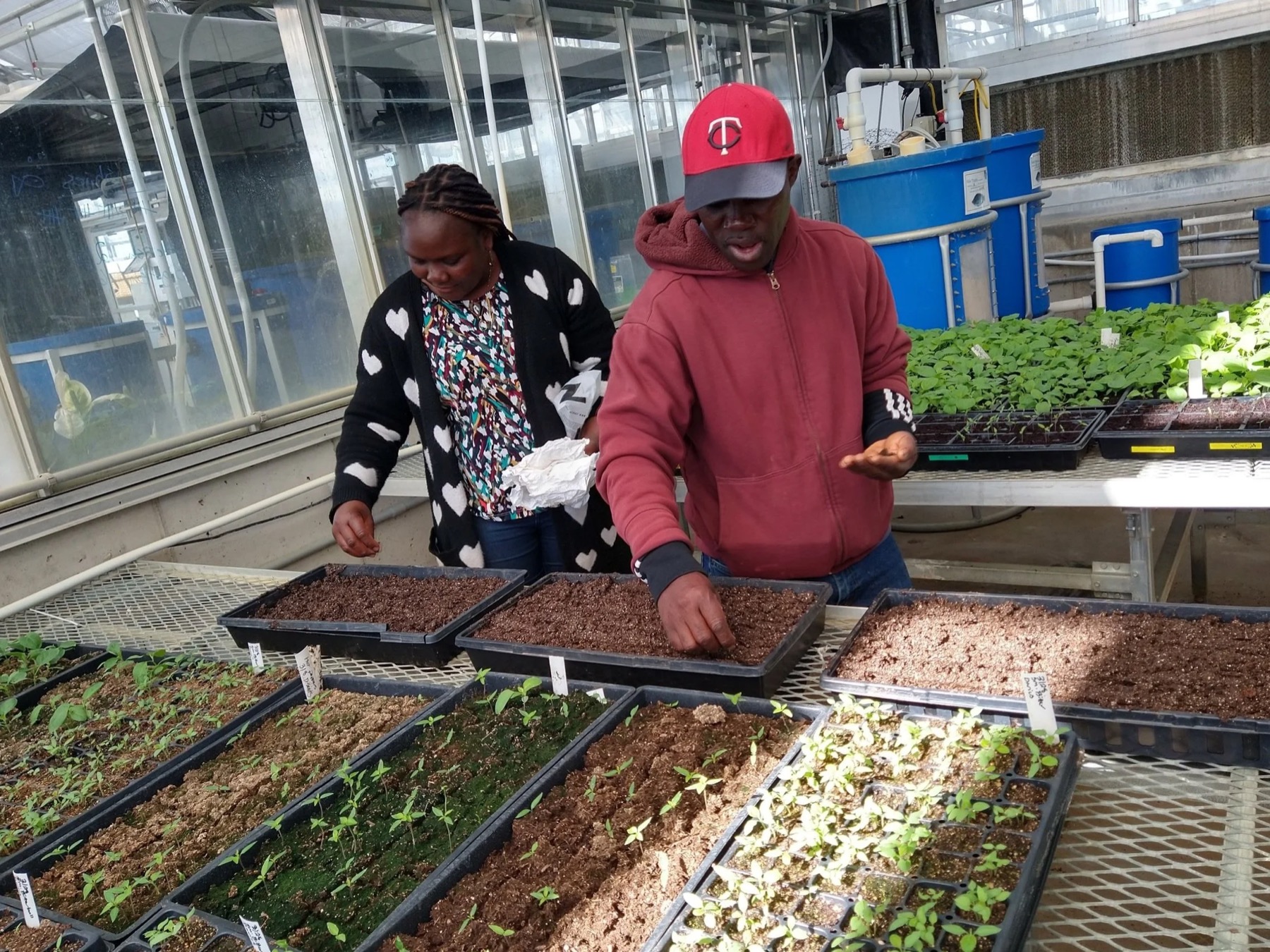
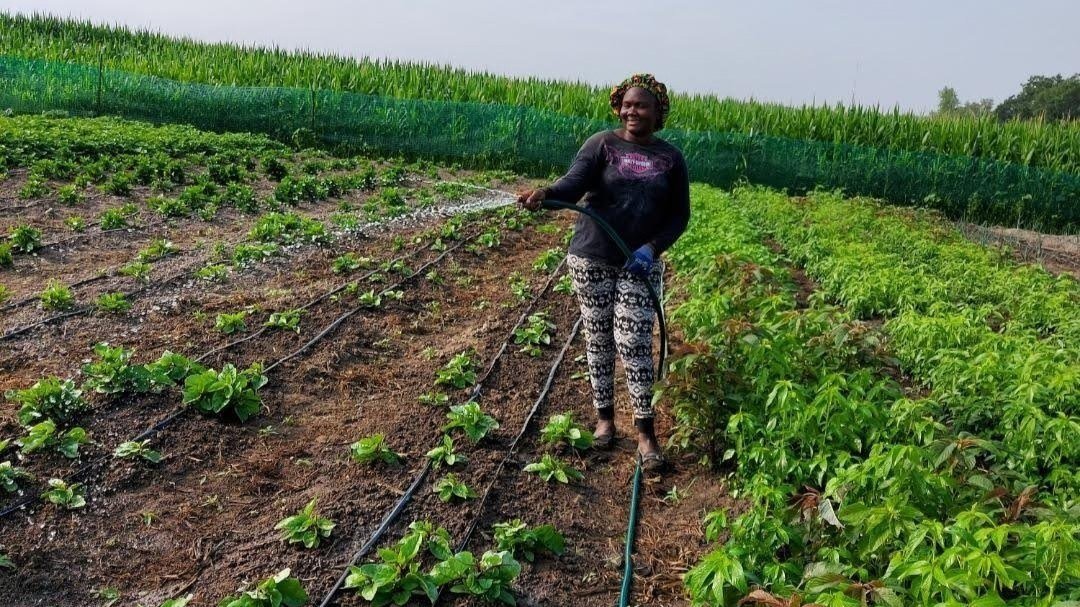
Sabokwigura Jonathan
Born and raised in a refugee camp in Tanzania after civil war displaced his family from Burundi. He has been farming for over 25 years — it started in that camp, where every summer children were given a small plot to grow vegetables and sell them for school supplies. Gardening became a lifelong hobby, then a livelihood.
"The ELA program is a wonderful program for someone like me who wants to become a farmer but doesn't have enough resources. They helped me with the land, the equipment, registering my business, and much more."
Growing tomatoes, amaranth, squash, collards, swiss chard, peas, beans, corn, peppers, and eggplant — sold directly to families, restaurants, and institutions.
Jonathan was one of the first cohort — farming alongside Darius & Wealee Nupolu (Liberia), Devotte Umugwaneza, and others, each growing the crops of home on Linn County ground. Their full profiles lived on the original ELA site.
I designed and built equitablelandaccess.com during my tenure at Feed Iowa First. After I left, the organization folded the program into their own site — the domain now forwards there, and the original no longer lives at the address.
The site itself is gone — it was built on Squarespace, and no archived snapshot still renders in full. What survives are the words and photographs, rebuilt here as they were written. The Internet Archive keeps the complete capture record of every page, spanning 2021–2025: browse the full archive of the original site →